CPA and Bookkeeping Rockwall AlternativeWhen goods leave Texas
A carton that leaves Texas is still one sale. The sales tax question is where the buyer took possession.
See the carton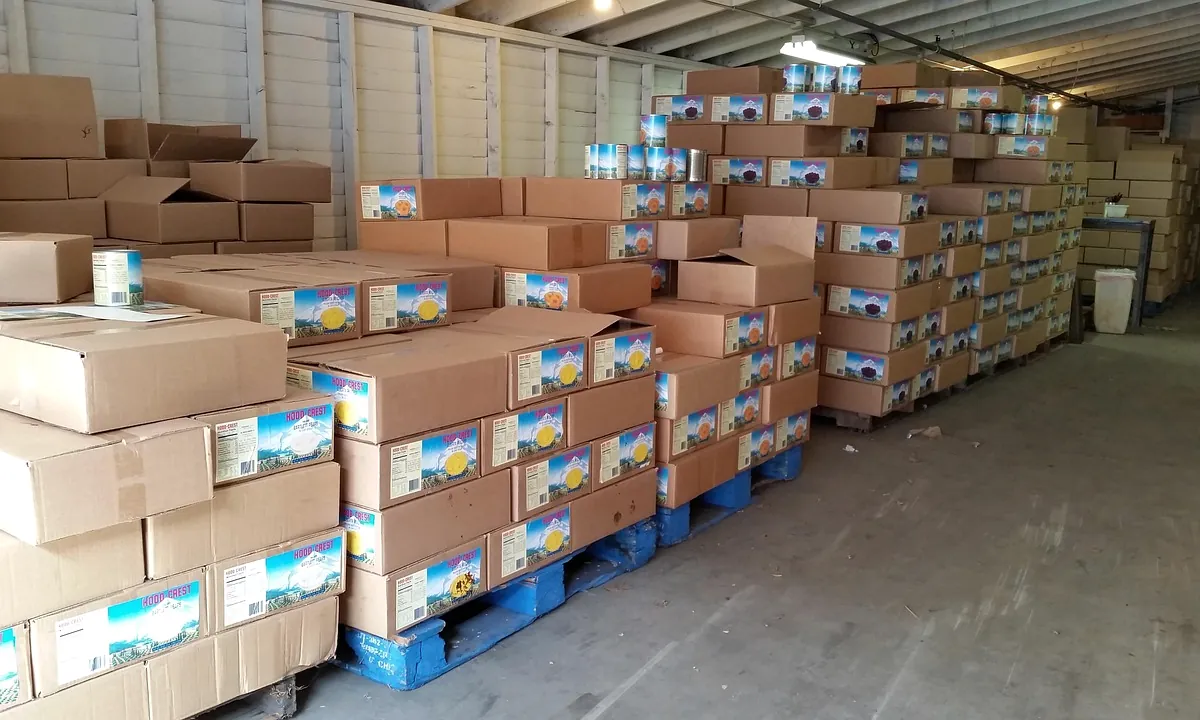
When a pickup is not the same row as a shipment
Read When a pickup is not the same row as a shipment
Owners who sell from Rockwall often do both. A contractor picks up at the dock on Thursday. A pallet ships on Friday and arrives in another state the next week. The invoices can look identical if the ship-to was left blank. They are not identical on the sales tax return.
We do not invent a rate for a state we have not read. We do keep the ship-to, the carrier, and whether the buyer picked up. That is the record the Comptroller page is asking for when someone later wonders why a sale was left off the Texas return. The dates page on this site carries the Rockwall city rate and the combined cap. This page is about the row that may not belong on that return at all.
A resale certificate is a different piece of paper from a shipment. It says the buyer will resell the goods. It does not, by itself, say the goods left Texas. We file the certificate with the customer and the ship-to with the invoice, and we do not let one stand in for the other.
The books have to show the split
Read The books have to show the split
One income account for everything feels simple until March. A cleaner file uses a taxable sales total and a separate total for sales that left the state, even if both are ordinary income on the profit statement. The sales tax return reads the first total. The second total is there so a question has an answer.
Freight billed to the customer follows the same split. If the freight is part of a taxable Texas sale, it usually rides with that sale. If the sale itself left, the freight should not be dropped into the taxable bucket because the book screen had only one freight account. We would rather have two freight accounts than a blended one nobody can explain.
Inventory that moves is the cousin of this problem. Goods you still own, sitting in a yard or on a truck, are not a sale yet. Goods the buyer has, even if you have not been paid, often are. The invoice date and the ship date get written down so a later argument does not depend on memory.
What we want on the invoice before it is sent
Read What we want on the invoice before it is sent
Bill-to, ship-to, and a line that says pickup or ship. A blank ship-to becomes a taxable sale by default in too many files, which is a quiet way to overpay. We would rather ask the one question while the pallet is still on the dock.
If your billing program cannot store a ship-to, the books still can. The monthly close includes a short pass over out of state invoices. It is dull. It is also the reason a sales tax notice does not become the first time anyone looks.
Where did the buyer take it
Say whether the last carton was a pickup or a shipment, and the month it went out.

You will be talking to the Steven Palmieri practice.
What to read next
A note the warehouse can actually follow
Read A note the warehouse can actually follow
The person who loads the pallet is not thinking about a sales tax code. They are thinking about the truck. Give them one line on the pick ticket that says pickup or ship, and a place to write the state if it ships. That line is the whole control. A monthly meeting about tax theory will not survive a busy Thursday.
When the line is blank, we treat the sale as a question, not as a taxable default and not as an exempt default. Questions stay on a short page until someone who was there answers them. Guessing in either direction is how a later notice gets an easy finding.